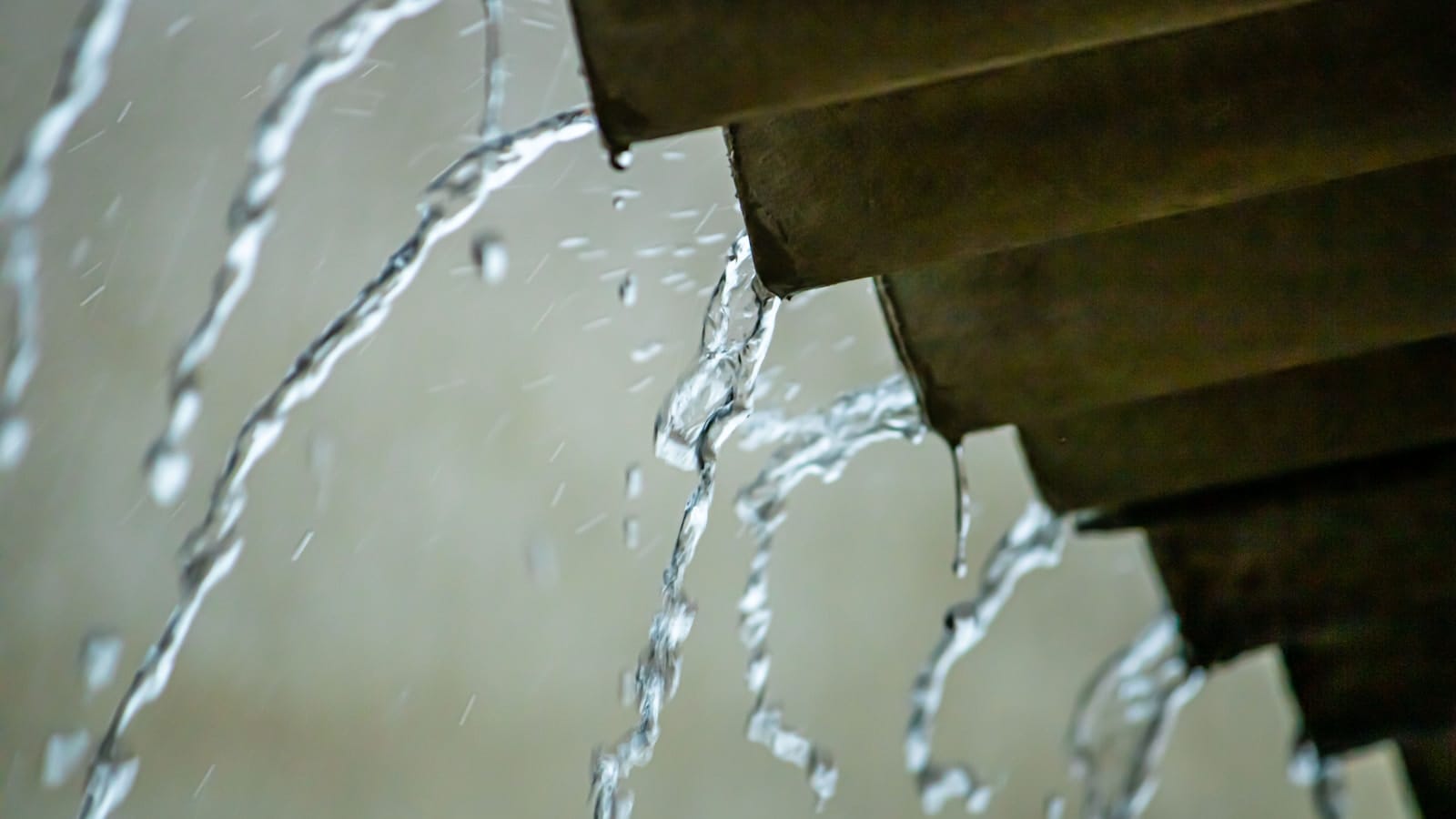
According to the German Insurance Association (GDV), water damage is by far the most common type of claim in German residential buildings – one occurs roughly every 30 seconds. When a pipe bursts, a washing machine overflows or heavy rain forces water inside, a home often becomes uninhabitable within hours. Those affected then need temporary accommodation quickly – and in many cases the insurer covers the cost.
This guide explains when a home counts as uninhabitable, who pays for the replacement accommodation, how long the insurer covers the cost, and why a furnished apartment is usually the better choice than a hotel for the interim period.
When is a home considered uninhabitable?
A home is uninhabitable when it can no longer be used for living as intended – for example because structural areas are soaked, screed and walls need technical drying, or power and heating have failed. Typical causes are:
- Water pipe damage from burst or leaking pipes
- Fire and extinguishing-water damage
- Storm and heavy-rain damage with water ingress
- Renovation or drying work that means weeks of construction dryers and noise
What matters is not whether the home looks damaged, but whether it can reasonably be lived in. After major water damage, the technical drying alone often takes two to six weeks, and subsequent renovation can take several months.
Who pays for replacement accommodation after water damage?
Who covers the interim accommodation depends on whether you are a tenant or owner – and which policy covers the damage.
As a tenant:
If your rented home becomes uninhabitable through an insured event, the landlord is generally responsible for the cost of reasonable replacement accommodation. For events such as a burst pipe, water leakage, storm or heavy rain, the landlord's building insurance usually covers the cost. In parallel, your own contents insurance covers accommodation costs – but only if your contents (furniture, appliances) were also damaged. In addition, an uninhabitable home gives you the right to reduce your rent by up to 100%.
As an owner-occupier:
Here your own building insurance covers the structural damage and your contents insurance the accommodation costs. Many policies contain an explicit clause covering "hotel costs" or "costs of alternative accommodation" when the home becomes uninhabitable.
Important: Before booking, clarify with your insurer which costs are covered and up to what amount, and ideally get the confirmation in writing. Keep all receipts. A detailed German-language overview of who covers accommodation and hotel costs after water damage is provided by Deutsche Schadenshilfe.
Hotel or furnished apartment – what does the insurer pay?
Insurers cover the cost of reasonable replacement accommodation. "Reasonable" means: comparable to your previous living standard, but not luxurious. This is exactly where the furnished apartment shines – it is usually cheaper than a hotel while offering more space and its own kitchen.
Two points are worth knowing:
1. Offsetting saved rent: For tenants, the rent saved (reduced) during the uninhabitable period is often offset. Only the additional costs above your previous rent are then reimbursed. An affordable apartment instead of an expensive hotel noticeably reduces this difference.
2. Pure housing costs only: Insurers cover the pure overnight or rental costs. Extras such as breakfast, minibar or hotel parking are usually not reimbursed – another advantage of the apartment, where you cater for yourself.
How long does the insurer cover the cost?
As a rule, the insurer pays until your home is habitable again – but with an upper limit. Common terms are:
- Up to 100 days of cost coverage
- A daily cap, often 0.1% of the sum insured per day
With a contents sum insured of EUR 60,000, that would be around EUR 60 per day, for example. The exact terms are set out in your policy conditions. If drying and renovation take longer than this period, you should talk to your insurer – and, if necessary, a specialist lawyer – early on.
Why a furnished apartment is the better replacement accommodation
Especially for families or longer interim periods, a furnished apartment for temporary living is clearly superior to a hotel room:
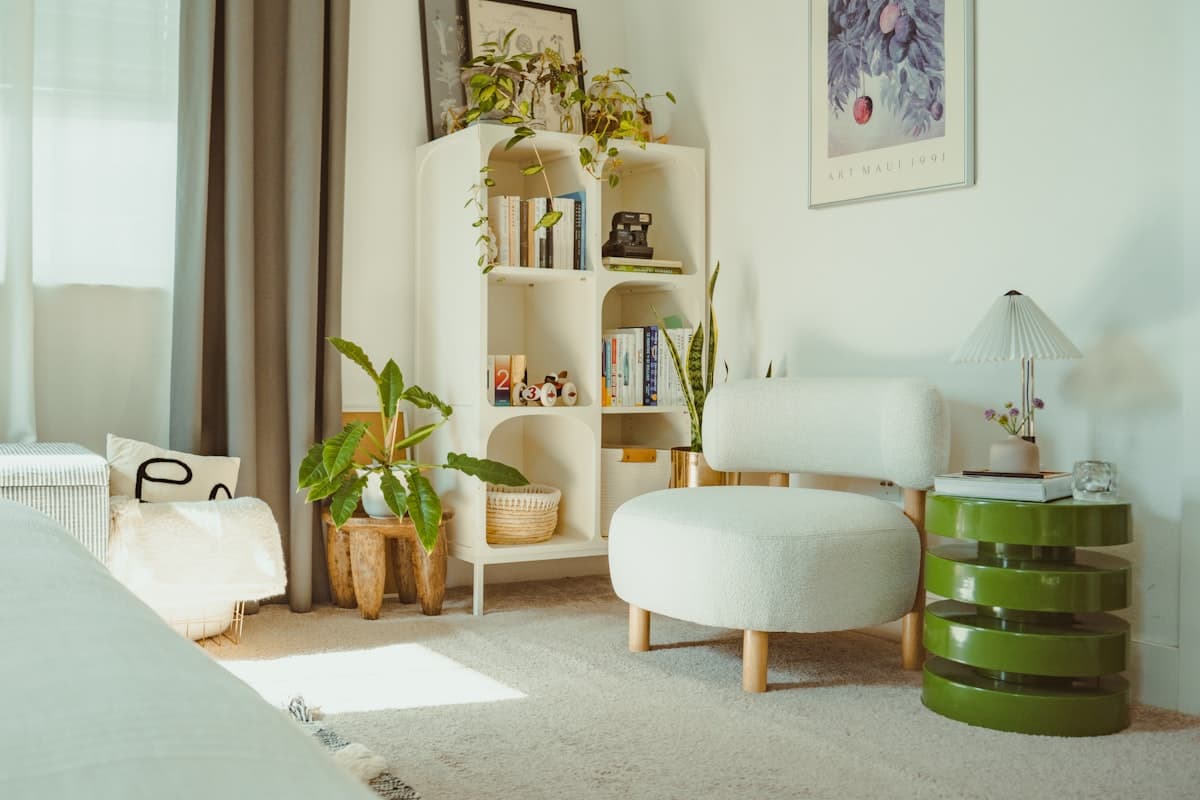
- More space for the whole family: Separate bedrooms and a living area instead of a single hotel room – children can keep going to school and daily life continues almost normally.
- Your own kitchen: Cook for yourself instead of expensive restaurant visits – this significantly reduces non-reimbursed catering costs.
- Cheaper than a hotel: For stays of a week or more, an apartment is usually significantly cheaper, which simplifies the settlement with the insurer.
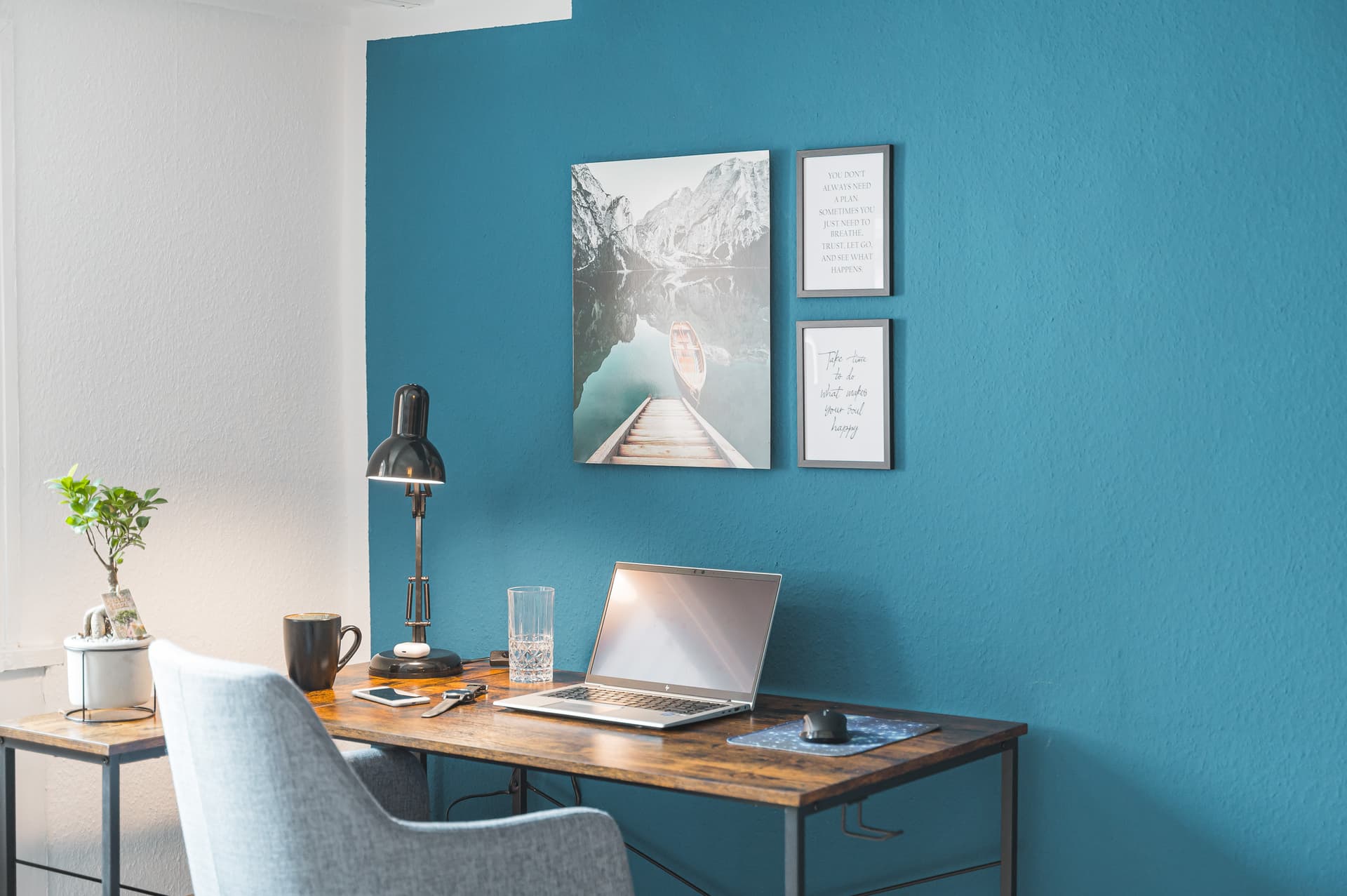
- Washing machine and home office: Fully equipped including Wi-Fi – ideal if you work from home.
- Pets & privacy: Many apartments are more flexible than hotels when pets or a quiet retreat are needed.
Our article Corporate Housing vs. Hotel shows how the costs compare in concrete terms.
Checklist: how to organise your replacement accommodation
1. Document the damage: Take photos and videos of the uninhabitable home before drying or renovation begins.
2. Inform the insurer immediately: Report the claim and ask about coverage of accommodation costs – ideally get it confirmed in writing.
3. Involve the landlord for rented homes: Report the uninhabitability in writing and assert your rent reduction.
4. Choose reasonable accommodation: A furnished apartment in a comparable location and size – no more expensive than necessary.
5. Collect all receipts: Keep the rental agreement for the replacement accommodation, invoices and proof of payment for reimbursement.
6. Keep an eye on the duration: Document the drying and renovation progress to prove the need for the accommodation.
Finding replacement accommodation in the Heilbronn & Esslingen region
TravelSuites offers fully furnished apartments in Heilbronn and Esslingen that are ideal as replacement accommodation after water damage. The apartments are ready to move into immediately, bookable flexibly from one night, and equipped on request with everything a family needs for the interim period.
On request we issue a transparent invoice for your insurer and offer flexible extension options should the renovation be delayed. Property managers, insurers and restoration companies that regularly organise accommodation for affected tenants will also find dedicated contacts and framework conditions with us.
All details and a quick enquiry option are available on our replacement accommodation page. An overview of all locations is on the locations page.
FAQ
Does contents insurance pay for replacement accommodation after water damage?
How long does the insurer pay for replacement accommodation?
Who pays for the replacement home if I rent?
Can I choose a furnished apartment instead of a hotel?
What does the insurer not pay?
How quickly is a furnished apartment available as replacement accommodation?
Do I get an invoice for the insurer?
Note
This guide is for general information and does not replace legal or insurance advice. The specific coverage depends on your individual insurance contract. Always clarify the scope and amount of benefits with your insurer in advance.
Sources
- German Insurance Association (GDV) – water damage
- Verbraucherzentrale – water damage and insurance
- Stiftung Warentest – contents insurance
- Deutsche Schadenshilfe – who pays for accommodation & hotel costs after water damage